
The Ultimate Guide to Ant Control: How to Keep Your Home Ant-Free
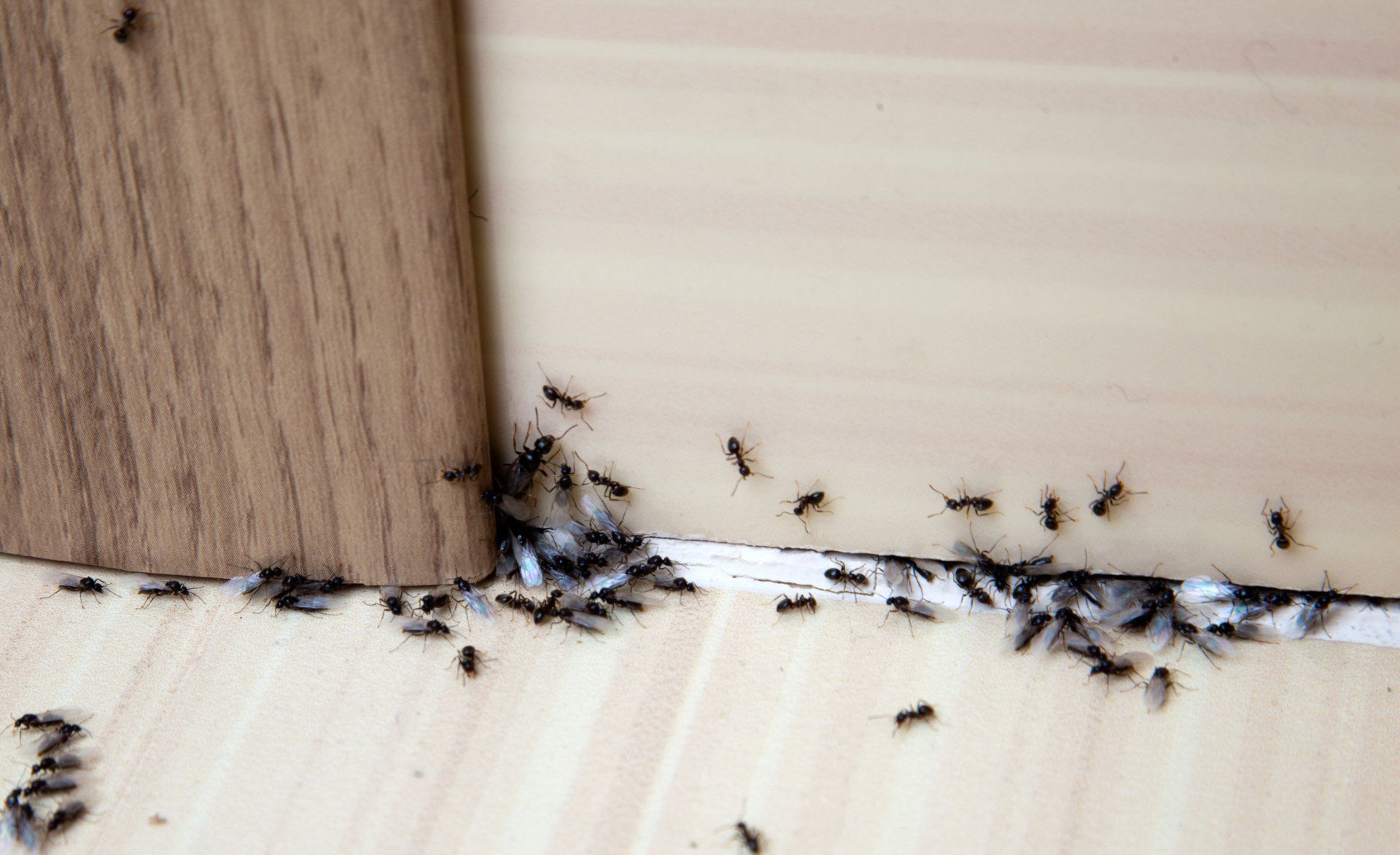
Ants are among the most common household pests, and once they establish a reliable food or water source, they can become difficult to eliminate. A few ants near a sink or window may seem harmless, but visible activity can sometimes indicate a much larger colony nearby.
Effective ant control requires more than simply killing the ants you can see. The key is understanding why ants enter homes, where they nest, and what steps can help prevent them from returning. With the right combination of sanitation, maintenance, and targeted pest control, homeowners can significantly reduce the risk of recurring infestations.
Why Do Ants Come Inside?
Ants typically enter homes in search of food, water, or shelter. Even very small amounts of crumbs, grease, pet food, or moisture can attract them.
Common attractants include:
- Food crumbs on counters or floors
- Unsealed pantry items
- Pet food left out
- Sticky spills
- Leaking faucets or pipes
- Standing water
- Garbage and recycling
- Overripe fruit
Ant activity may also increase during periods of extreme heat, heavy rain, or drought as colonies search for more favorable conditions.
Identify the Type of Ant
Not all ants behave the same way. Different species have different nesting habits, food preferences, and treatment requirements. Some may nest outdoors and enter temporarily to forage, while others can establish colonies inside walls, cabinets, insulation, or other structural areas.
Correct identification can make ant control more effective because the treatment used for one species may not work well for another. If you are dealing with repeated or widespread ant activity, a professional pest control technician can help determine which species is present and where the colony may be located.
Eliminate Easy Food Sources
Good sanitation is one of the most important steps in ant prevention.
Ants leave chemical trails that help other members of the colony locate reliable food sources. Keeping kitchens and eating areas clean can make your home less attractive to foraging ants.
Try to:
- Wipe counters after preparing food
- Sweep or vacuum crumbs regularly
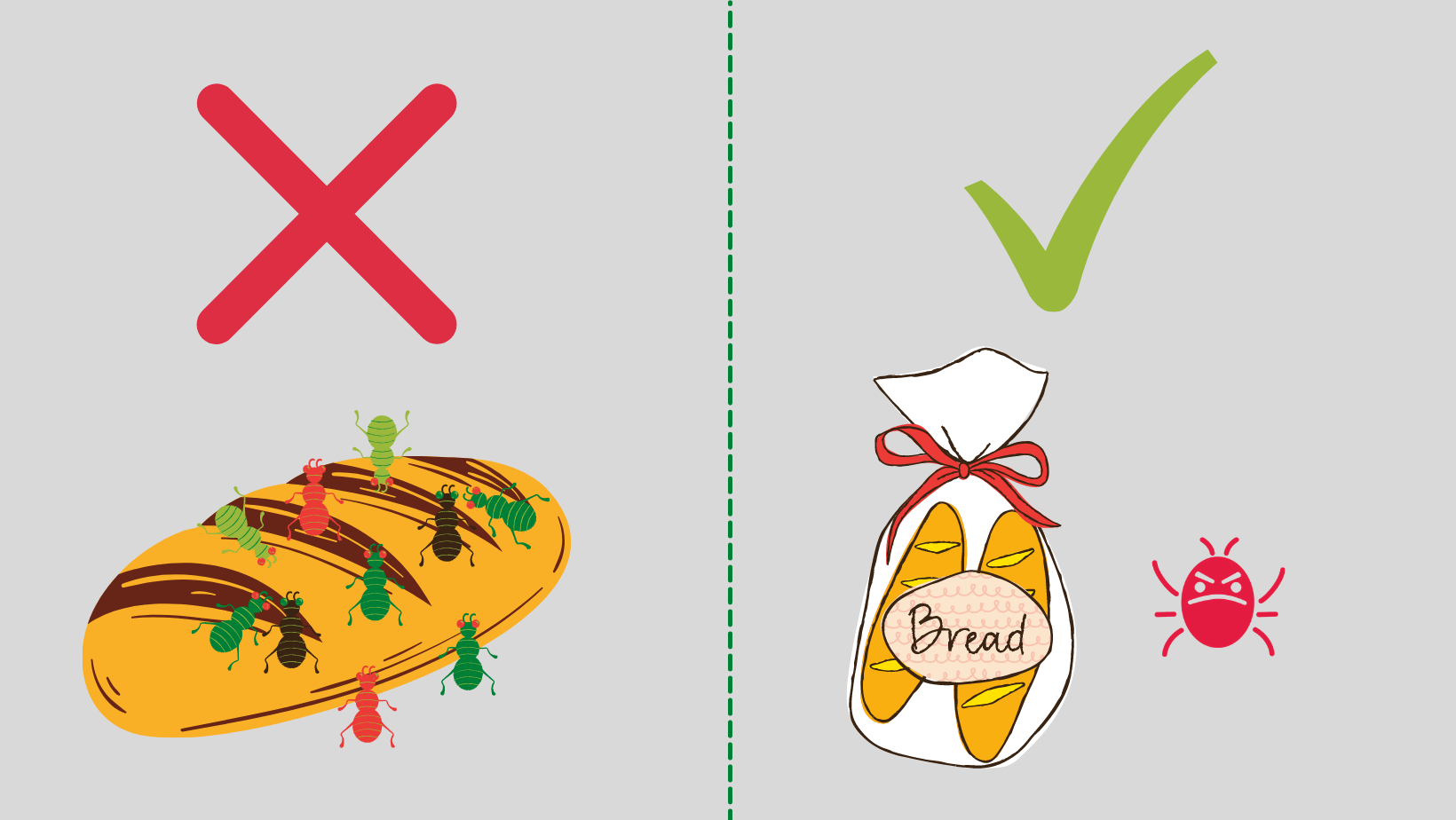
- Store food in sealed containers
- Clean spills immediately
- Rinse recyclable containers
- Keep garbage cans covered
- Avoid leaving dirty dishes overnight
- Store pet food securely
Pay particular attention to sugary foods, grease, syrups, and other substances that commonly attract ants.
Control Moisture
Food is not the only reason ants enter homes. Many species are also drawn to moisture, especially during hot or dry weather. Leaking plumbing and damp areas can create ideal conditions for ants and other pests.
Inspect your home for:
- Dripping faucets
- Leaking pipes
- Moisture under sinks
- Condensation
- Roof leaks
- Standing water
- Poor drainage
Repairing leaks and improving ventilation can make these areas less inviting.
Seal Entry Points
Ants can squeeze through extremely small gaps. Inspect the exterior of your home and seal potential entry points around windows, doors, utility lines, foundations, siding, and other openings. Caulk may be useful around small cracks, while weatherstripping can help close gaps around doors and windows.
Remember that completely sealing every possible opening can be difficult, so exclusion should be combined with sanitation and other control methods.
Keep Landscaping Away From the House
Vegetation can create convenient pathways for ants to reach your home. Tree branches, shrubs, vines, and other plants that touch the building may allow ants to bypass ground-level barriers and reach windows, roofs, or siding.
Trim vegetation away from the structure and avoid allowing mulch or heavy plant growth to accumulate directly against the foundation. Also inspect landscape timbers, firewood, rocks, and other materials near the home, as these areas can sometimes provide nesting sites.
Clean Up Ant Trails
When you find a line of ants traveling across a counter, floor, or wall, simply killing the visible insects may not be enough. Ants use scent trails to guide others toward food and water.
After removing the ants, clean the area thoroughly with soap and water or an appropriate household cleaner. This may help disrupt the trail and make it harder for other ants to follow the same route. However, trail cleaning alone will not eliminate an established colony.
Understand How Ant Baits Work
Ant baits can be useful because they are designed to target more than the visible workers. Foraging ants collect the bait and carry it back to the colony, where it can be shared with other ants. This process may eventually affect the colony more broadly.
Patience is important. You may temporarily notice more ants around the bait because the workers are actively collecting it. Avoid spraying insecticide directly around bait stations unless the product instructions specifically allow it, since sprays can kill or repel the ants before they carry the bait back to the nest.
Always follow the product label and keep pesticides out of reach of children and pets.
Avoid Common Ant Control Mistakes
Some approaches can make ant problems harder to solve.
Common mistakes include:
- Only killing visible ants
- Leaving food accessible
- Ignoring water leaks
- Using too much pesticide
- Mixing different pesticide products
- Spraying around bait stations
- Treating without identifying the ant species
- Failing to address outdoor nesting areas
More pesticide does not necessarily mean better results. Always follow label instructions exactly.
When Should You Call a Pest Control Professional?
Minor ant activity may sometimes be managed with cleaning, exclusion, and properly used bait products.
Professional assistance may be appropriate when:
- Ants continue returning despite your efforts
- Multiple rooms are affected
- You cannot locate the nest
- Ants appear to be nesting inside the structure
- The infestation is rapidly growing
- The species is difficult to identify
- Previous treatments have failed
A trained pest control professional can inspect the property, identify the ant species, locate likely nesting areas, and develop a treatment plan based on the specific infestation.
Contact Our Experienced Ant Control Team Today
Ant control is rarely about one quick treatment. Successful management typically involves removing food and water sources, limiting access to the home, identifying nesting areas, and using appropriate control methods when necessary.
If you're in need of professional ant control support, we urge you to contact one of the friendly representatives at Advanced Pest Control! For years, our qualified team members have continued to provide dedicated support across College Station, TX and all the surrounding regions. Our team offers innovative assistance at highly competitive rates.